-
Shop
- Advanced Technologies
- AI Skills Mastery 2026 Collection
- Best Sellers
- Bottoms
- Car Accessories
- Dating & Social Skills
- Digital Products
- Digital Resources
- Dresses
- Education & Learning
- Family & Parenting
- Fashion
- Furniture
- Gadgets
- Health & Beauty
- Health & Wellness
- Home & Garden
- Jewelry
- Kids & Babies
- Patio, Lawn & Garden
- Personal Growth
- Pet Care
- Pet Supplies
- Pets
- Shoes
- Sport & Outdoors
- Swimwear
- Tops
- Travel
- Wealth
- Wealth Building
- Budgeting & Saving
- Cryptocurrency Investing
- Debt Management
- Entrepreneurship & Business Growth
- Family Finance & Budgeting
- Financial Independence
- Financial Mindset & Psychology
- Financial Planning
- Frugal Living & Expense Hacks
- Goal Setting
- High-Income Skills
- Leadership
- Networking & Mentorship
- Passive Income Strategies
- Real Estate Investing
- Side Hustles
- Stock Market Investing
- Workout Clothes & Activewear
XL Double-Door Folding Wire Dog Crate with Leak-Proof Tray
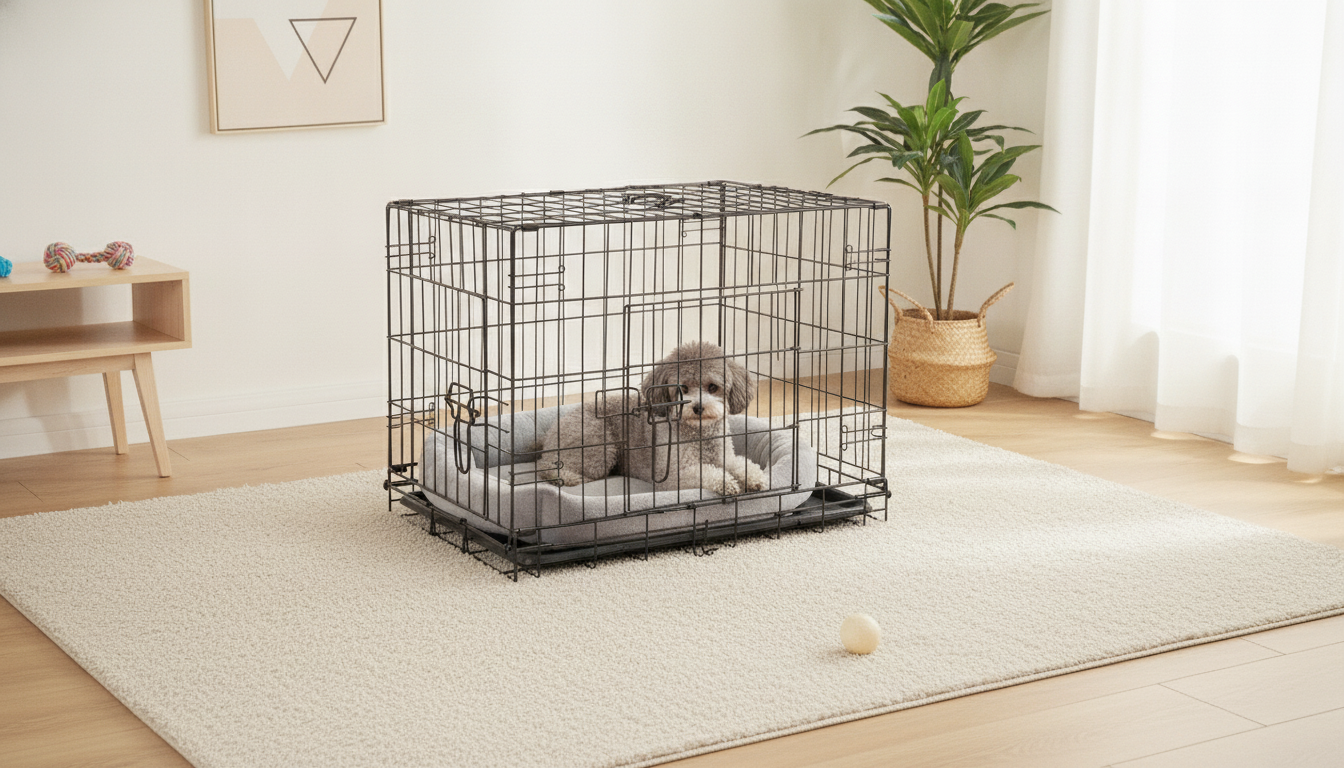
Extra Large Double Door Folding Metal Wire Dog Cage with Leak-Proof Pan Tray
A sturdy crate can make daily routines—training, travel prep, quiet time, and cleanup—simpler and calmer. An extra large folding metal wire dog cage pairs a breathable wire frame with two-door access and a leak-proof pan tray, helping support safe confinement and easy maintenance in busy homes where schedules, visitors, and weather don’t always cooperate. For more guidance, see Dog – Wikipedia.
What this crate helps with
- House-training support by giving dogs a consistent, den-like space to rest and reset.
- Safer downtime when guests arrive, doors are opening, or household activity is high.
- A predictable sleep spot that helps establish routines for puppies and adult dogs.
- Simple cleaning after muddy paws, spilled water, or accidents thanks to the pan tray.
- Better access for loading, feeding, and comforting with two-door entry options.
For many homes, the biggest win is consistency: the crate becomes a familiar “home base” that reduces roaming during high-distraction moments, while still allowing dogs to see what’s happening around them. For further reading, see General Dog Care | ASPCA.
Key features to look for in a double-door folding wire crate
- Two-door layout: front and side entry can reduce awkward lifting and help dogs enter more confidently in tight rooms.
- Folding frame: easier storage and transport compared with rigid crates; helpful for travel or rearranging rooms.
- Secure latches: doors should close firmly and resist nudging, pawing, and repeated open/close cycles.
- Ventilated wire design: promotes airflow and visibility, which can reduce stress for many dogs.
- Leak-proof pan tray: helps contain messes and protects floors; should slide out for fast rinsing and wipe-down.
If crate time is part of daily life, small design details matter. Two-door access, for example, can turn an awkward corner placement into an easy setup—especially when the crate needs to fit alongside furniture or in a hallway without blocking flow.
Build, comfort, and cleanup considerations
- Wire spacing and edges: choose a design that feels smooth and stable, with no sharp points that snag collars, bedding, or paws.
- Floor protection: place a washable mat underneath if used on hardwood or tile; this can reduce shifting and noise.
- Bedding choice: use a flat, crate-sized pad for calm sleepers; for chewers, start with minimal bedding and add durability over time.
- Water setup: a clip-on bowl can reduce spills; place it away from the door swing to avoid knocks.
- Cleaning routine: remove the pan tray promptly after accidents; use pet-safe cleaners and fully dry before reinserting to prevent odors.
Wire crates tend to make day-to-day observation easier: you can quickly check posture, breathing, and whether a dog is settling or getting restless. That visibility can help owners adjust timing—more potty breaks for puppies, more exercise before longer rest periods, or a calmer location if a dog gets overstimulated.
Sizing and placement guide (quick reference)
- Measure the dog’s nose-to-tail base length and floor-to-top-of-head height; add a small allowance so the dog can stand and turn comfortably.
- For multi-dog homes, avoid sharing crates unless recommended by a qualified trainer; most dogs do best with individual spaces.
- Place the crate in a calm area with moderate household presence (not isolated, not in heavy foot traffic).
- Keep one side against a wall if possible to create a more secure feel and reduce wobble.
- Avoid direct heat/AC vents and prolonged direct sun exposure.
| Checkpoint | What to do | Why it matters |
|---|---|---|
| Length fit | Measure nose to base of tail; add a small allowance | Allows comfortable lying down without excess roaming space |
| Height fit | Measure floor to top of head/ears; add a small allowance | Supports standing and turning without crouching |
| Door access | Test both doors in the intended room position | Prevents blocked entry and awkward lifting |
| Floor protection | Use a mat/rug under the crate if needed | Reduces slipping, noise, and floor scuffs |
| Pan tray handling | Confirm the tray slides out smoothly for cleaning | Speeds cleanup and encourages consistency |
Using the crate for training and daily routine
When this style works best (and when to consider alternatives)
Product options available now
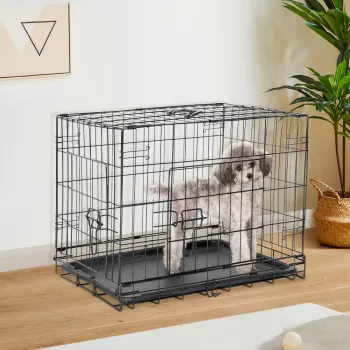
- Extra Large Double Door Folding Metal Wire Dog Cage with Leak-Proof Pan Tray: a practical pick for airflow, two-door convenience, and simplified cleanup.
- Stainless Steel Kitchen Work Table with Wheels: useful for organizing pet supplies, prepping meals, or setting up a wipe-clean grooming station nearby.
- USB Rechargeable Super Bright Bike Headlight & Taillight Set: a handy add-on for early-morning or evening dog walks when visibility matters.
FAQ
How long should a dog stay in a crate each day?
Crate time depends on age, training, and daily exercise, but it should be balanced with frequent potty breaks, activity, and social time. Puppies typically need more frequent breaks than adult dogs, and any dog should not be crated for excessive stretches without relief. For specific schedules or behavioral concerns, a veterinarian or qualified trainer can help tailor a plan.
How is a leak-proof pan tray cleaned after an accident?
Slide the tray out, remove any solids, then wash with a pet-safe cleaner and warm water, rinsing thoroughly. Dry the tray completely before reinserting to reduce lingering odors and moisture. Pay extra attention to corners and edges where residue can collect, and wipe the crate floor underneath if needed.
Is a double-door crate better than a single-door crate?
A double-door crate can be more convenient because it offers flexible placement and easier entry in tight spaces, especially when one side faces a wall or furniture. That said, proper sizing, sturdy construction, and secure latches matter more for safety than the number of doors.
Recommended for you

Was this article helpful?
Yes
No








Leave a comment