-
Shop
- Advanced Technologies
- AI Skills Mastery 2026 Collection
- Best Sellers
- Bottoms
- Car Accessories
- Dating & Social Skills
- Digital Products
- Digital Resources
- Dresses
- Education & Learning
- Family & Parenting
- Fashion
- Furniture
- Gadgets
- Health & Beauty
- Health & Wellness
- Home & Garden
- Jewelry
- Kids & Babies
- Patio, Lawn & Garden
- Personal Growth
- Pet Care
- Pet Supplies
- Pets
- Shoes
- Sport & Outdoors
- Swimwear
- Tops
- Travel
- Wealth
- Wealth Building
- Budgeting & Saving
- Cryptocurrency Investing
- Debt Management
- Entrepreneurship & Business Growth
- Family Finance & Budgeting
- Financial Independence
- Financial Mindset & Psychology
- Financial Planning
- Frugal Living & Expense Hacks
- Goal Setting
- High-Income Skills
- Leadership
- Networking & Mentorship
- Passive Income Strategies
- Real Estate Investing
- Side Hustles
- Stock Market Investing
- Workout Clothes & Activewear
Wabi-Sabi Rattan Wall Lamp: Warm Light for Calm Rooms
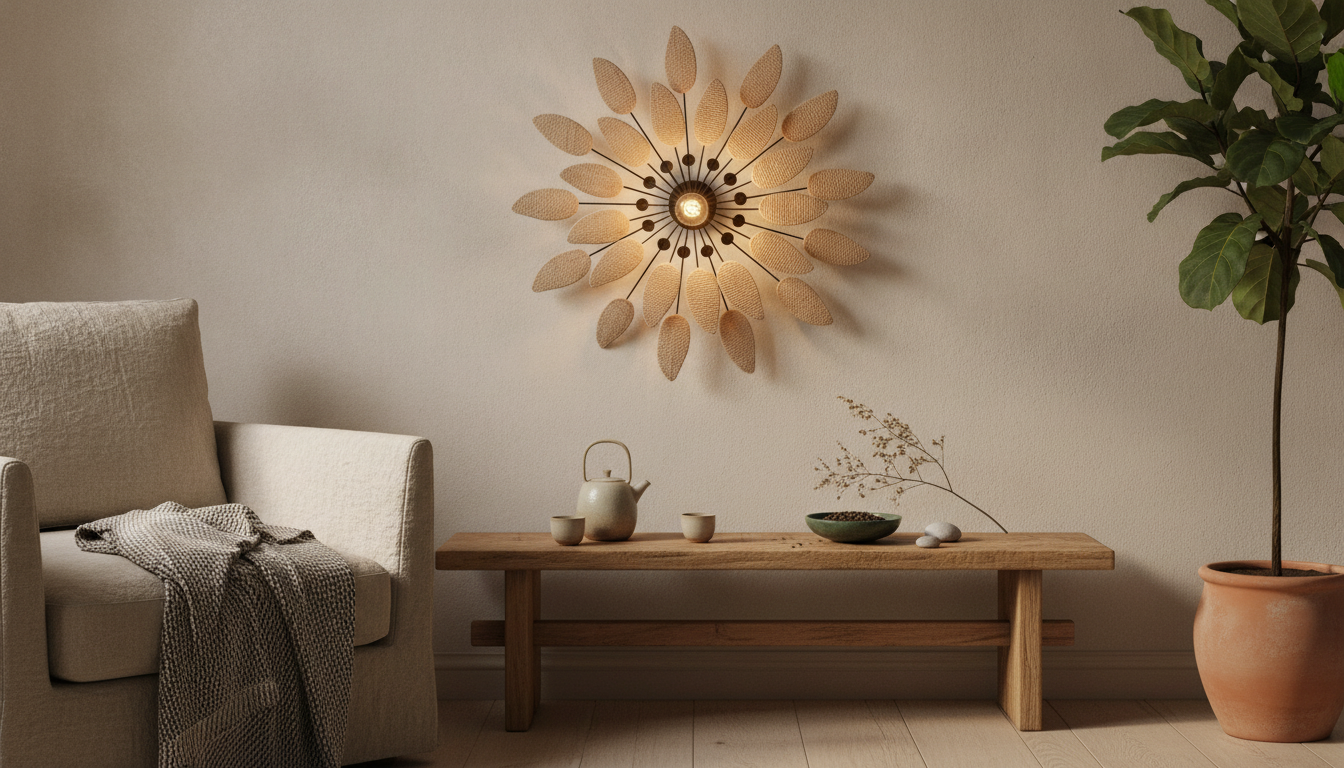
Wabi Sabi Rattan Wall Lamp for Living Room, Bedroom, and Tea House
Soft, textured light can change how a room feels at night—especially in spaces meant for unwinding. A wabi sabi rattan wall lamp brings natural fiber warmth, gentle shadow play, and a calm, handcrafted look that suits living rooms, bedrooms, and tea corners alike.
What Makes a Wabi Sabi Rattan Wall Lamp Feel Different
Wabi-sabi interiors celebrate the beauty of natural materials and subtle imperfections—spaces that feel collected over time instead of perfectly matched. That mindset pairs naturally with rattan, where a slight variation in weave and tone adds character rather than distraction. If you’d like a deeper definition of the aesthetic, Encyclopaedia Britannica offers a helpful overview of wabi-sabi.
Rattan also changes how light behaves. Instead of a hard beam or a flat wash, a woven shade diffuses brightness and casts layered shadows. The result is depth and softness, which can make a neutral wall look warmer and more dimensional without relying on harsh overhead glare.
Because it’s wall-mounted, this style of lamp helps keep surfaces clear. That’s useful in small bedrooms, minimalist living rooms, or tea setups where open space and a calm visual field matter as much as the light itself.
Where It Works Best: Living Room, Bedroom, and Tea House
Living room
In a living room, a rattan wall lamp works well near the perimeter—beside a sofa, above a console, or next to a reading chair. It can act as a gentle “edge light” that complements floor lamps and table lamps rather than competing with them. This layered approach makes evenings feel quieter and helps reduce the urge to use one overly bright ceiling fixture.
Bedroom
As bedside lighting, a wall lamp frees up nightstand space for a book, a cup of tea, or a small tray. Placed thoughtfully, it can provide a relaxing glow for winding down while keeping the room visually uncluttered—especially when paired with linen bedding, warm wood tones, or matte neutral paint.
Tea house or tea corner
For a tea corner, side lighting is often more flattering than direct overhead light. Install a rattan wall lamp near a niche, floating shelf, or low table to highlight ceramics, wood grain, and small objects with a soft, angled glow. The woven pattern can add a subtle ritual-like atmosphere—quiet, intimate, and unforced.
Material pairings that tend to look especially cohesive include linen, oak, walnut, stone, handmade pottery, and calm neutral walls. If the space already has plenty of straight lines (modern shelving, square frames, sharp-edged furniture), rattan can be the “softener” that keeps the room from feeling too crisp at night.
Choosing the Right Light Mood: Color Temperature and Brightness
The bulb you choose matters as much as the fixture. Warm white light (about 2700K–3000K) typically looks most natural with rattan and wabi-sabi decor because it enhances the fiber’s warmth and keeps the room feeling restful. Cooler bulbs can make the shade look visually flatter and the shadows feel harsher.
It’s also worth thinking in layers. A rattan wall lamp often shines best as ambient or accent lighting, not as the only bright source in the room. For higher-focus tasks (like reading or detailed work), it’s usually more comfortable to add a dedicated task light rather than forcing one lamp to do everything.
If flexibility matters, use a dimmable bulb and a compatible dimmer so the same lamp can shift from a gentle evening glow to a brighter setting when needed. For energy-conscious choices, the U.S. Department of Energy provides practical guidance on efficient bulbs and lighting options here: Lighting Choices to Save You Money.
Lighting guide for a calm, natural look
| Use case | Suggested color temperature | Brightness approach |
|---|---|---|
| Ambient mood lighting | 2700K | Low to medium brightness; prioritize diffusion |
| Bedside winding down | 2700K–3000K | Medium brightness; avoid exposed high-glare bulbs |
| Tea corner accent | 2700K | Low brightness; focus on warmth and shadow texture |
| Reading nearby | 3000K (optional) | Medium to higher brightness plus a separate task lamp if needed |
Placement Tips That Highlight Texture and Avoid Glare
Care and Longevity for Rattan Lighting
Featured Piece: Wabi Sabi Rattan Wall Lamp
If you’re looking for a single upgrade that changes the mood of a room after sunset, the Wabi Sabi Rattan Wall Lamp for Living Room, Bedroom, and Tea House is designed to bring a calm, natural presence to everyday spaces. The rattan texture softens brightness and adds character through subtle shadow and weave detail, while the wall-mounted format supports clutter-free styling around sofas, beds, and tea setups.
Optional design support
If you enjoy experimenting with layouts and lighting moods before committing to a final arrangement, Dream Spaces with AI | Digital Guide for Home Design Inspiration, Prompts, and Visualization | Learn How to Use AI for Interior Design Ideas and Transform Any Space with Creativity can help you explore concepts for wall lamp placement, layered lighting, and room styling direction.
FAQ
Is a rattan wall lamp bright enough for reading in bed?
Rattan shades usually diffuse light for ambiance, so reading comfort depends on bulb brightness and placement. For regular reading, consider a brighter (but warm) bulb with dimming, or add a dedicated task light positioned to avoid glare.
What bulb color looks best with rattan and wabi sabi decor?
Warm white light around 2700K–3000K tends to look most natural with rattan and wabi-sabi interiors. Cooler bulbs can feel stark and may reduce the organic warmth that makes the weave look inviting.
How should rattan lighting be cleaned and maintained?
Dust the shade regularly with a soft brush or microfiber cloth, and use gentle vacuuming with a brush attachment when needed. Avoid excess moisture and stay within the fixture’s bulb wattage limits to reduce heat stress on natural fibers.
Recommended for you
Was this article helpful?
Yes
No








Leave a comment