Super Bright USB Rechargeable Bike Headlight & Taillight
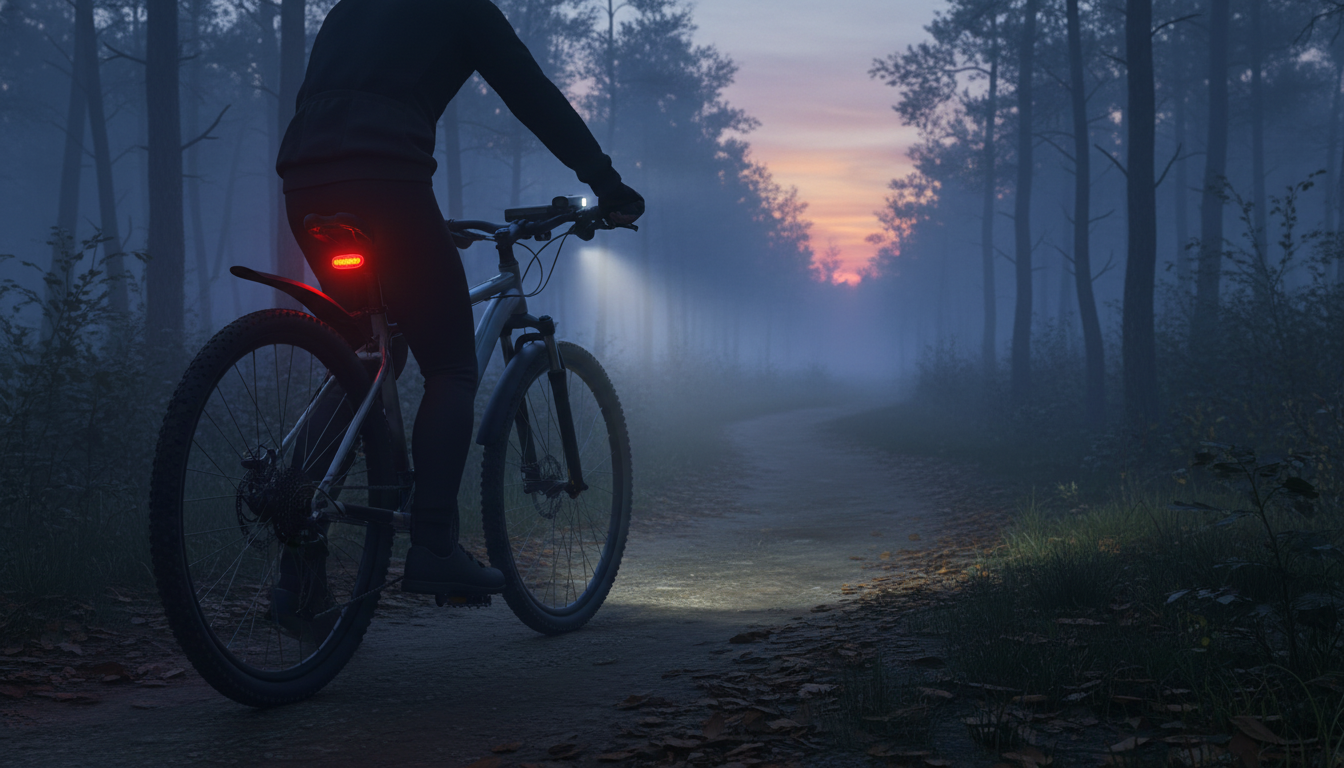
USB Rechargeable Super Bright Bike Headlight & Taillight Set for Safer Night Rides
A dependable light set does more than brighten the road—it makes a rider easier to notice at crossings, on shared paths, and in changing weather. This USB rechargeable super bright bike headlight and taillight set is built for daily commuting and evening workouts with quick charging, multiple modes, and easy mounting on most bikes.
What this light set helps with on real rides
- Improves forward visibility on dark streets, paths, and unlit stretches between streetlights
- Increases rider conspicuity to drivers approaching from behind, especially at intersections and during lane changes
- Supports quick “grab-and-go” charging habits—top up at work, at home, or from a power bank
- Useful for shoulder seasons when rides start or end at dusk
- Helps with safety redundancy by pairing a white front light and red rear light together
For practical safety guidance beyond gear, it’s worth reviewing the basics from authoritative sources like NHTSA’s Bicycle Safety and the CPSC Bicycle Safety resource pages. They reinforce the big picture: visibility, predictability, and equipment that works reliably every time.
Key features to look for in a headlight + taillight pair
- Brightness and beam pattern: a focused center beam for distance plus side spill for peripheral awareness
- Multiple modes: steady for consistent road illumination; flashing for attention in traffic-heavy areas (follow local rules)
- USB recharging: reduces ongoing battery costs and makes routine charging more convenient
- Mount stability: secure straps or brackets that resist bouncing on rough pavement
- Weather readiness: sealed ports/caps and housings that handle splashes and light rain
- Quick removal: helps prevent theft and makes charging simpler
The best-feeling setup is the one that doesn’t demand extra thought midweek: mounts that don’t drift, buttons you can press with gloves, and a rear light that remains visible even if you add a jacket, rack bag, or fenders later on.
Charging, run time habits, and day-to-day use
- Charge before the first ride and then build a simple schedule (for example: recharge after 2–3 commutes or every weekend)
- Use steady mode when the road is truly dark; switch to a flashing mode when ambient light is higher and the priority is being noticed
- Keep the charging port closed while riding to reduce water and grit intrusion
- In colder weather, expect shorter run times; top up more often
- Carry a small power bank for longer rides or tours if charging access is uncertain
A good habit is to treat charging like laundry: pick a predictable day, plug in both lights together, and put them back where you store your helmet. That reduces the chance of rolling out at dusk with a half-charged rear light—or none at all.
Fit, mounting, and setup tips (front and rear)
- Front light: mount centered on the handlebar when possible for balanced beam alignment
- Aim the headlight slightly downward to illuminate the lane without blinding oncoming riders or drivers
- Rear light: place it high and unobstructed—avoid saddlebags, coats, or racks blocking visibility
- After installation, tug-test the mounts and do a short curb-bounce check to confirm nothing shifts
- If the bike is shared, choose a setup that can be adjusted quickly without tools
Alignment is the difference between “bright” and “useful.” A slightly downward angle helps you see pavement texture and debris while keeping glare under control on multi-use paths and neighborhood streets.
Recommended mode choices by riding scenario
Different roads call for different priorities: sometimes it’s all about seeing farther ahead, and other times it’s about standing out in a busy visual environment. Use the guide below as a quick starting point, then fine-tune based on your pace and local rules.
| Situation | Front light | Rear light | Setup note |
|---|---|---|---|
| Dark, unlit road | Steady (higher) | Steady or pulse | Aim slightly down to avoid glare |
| Streetlit commute | Steady (medium) or flash | Flash | Prioritize being seen at junctions |
| Shared path at dusk | Steady | Pulse | Keep beam low for oncoming users |
| Rain/mist | Steady | Steady | Wipe lens; check port cover |
For broader roadway and intersection safety context, the FHWA Bicycle and Pedestrian Safety program is a helpful overview of how visibility and predictable behavior work together—especially where turning vehicles and crossings are common.
Care and maintenance for consistent brightness
In-stock picks
- USB Rechargeable Super Bright Bike Headlight & Taillight Set — a practical front-and-rear pairing for everyday rides and quick USB top-ups.
- Dream Spaces with AI | Digital Guide for Home Design Inspiration, Prompts, and Visualization — handy for mapping out a more organized home entry or gear corner so chargers and ride essentials stay in one place.
- Stainless Steel Kitchen Work Table with Wheels — a durable rolling surface that can double as a workshop-style station for basic tune-ups and accessory setup.
FAQ
Are USB rechargeable bike lights bright enough for dark roads?
They can be, depending on beam pattern, mode, and how fast you ride. Use a steady, higher-output setting on truly unlit routes, and take a minute to aim the light so it illuminates the lane ahead without wasting output into oncoming eyes.
Where should a bike taillight be mounted for best visibility?
Mount it high and unobstructed, typically centered on the seatpost or on a rear rack where bags and clothing won’t block it. Keep it level and visible from a distance, and confirm local requirements for rear red lights where you ride.
How often should rechargeable bike lights be charged?
Charge on a routine schedule—after several rides, every weekend, or whenever you notice run time dropping. Cold weather and high-power modes shorten run time, so top up before longer rides and keep the charging port closed during use.











Leave a comment