-
Shop
- Advanced Technologies
- AI Skills Mastery 2026 Collection
- Best Sellers
- Bottoms
- Car Accessories
- Dating & Social Skills
- Digital Products
- Digital Resources
- Dresses
- Education & Learning
- Family & Parenting
- Fashion
- Furniture
- Gadgets
- Health & Beauty
- Health & Wellness
- Home & Garden
- Jewelry
- Kids & Babies
- Patio, Lawn & Garden
- Personal Growth
- Pet Care
- Pet Supplies
- Pets
- Shoes
- Sport & Outdoors
- Swimwear
- Tops
- Travel
- Wealth
- Wealth Building
- Budgeting & Saving
- Cryptocurrency Investing
- Debt Management
- Entrepreneurship & Business Growth
- Family Finance & Budgeting
- Financial Independence
- Financial Mindset & Psychology
- Financial Planning
- Frugal Living & Expense Hacks
- Goal Setting
- High-Income Skills
- Leadership
- Networking & Mentorship
- Passive Income Strategies
- Real Estate Investing
- Side Hustles
- Stock Market Investing
- Workout Clothes & Activewear
350ml Ceramic Refillable Soap & Sanitizer Dispenser
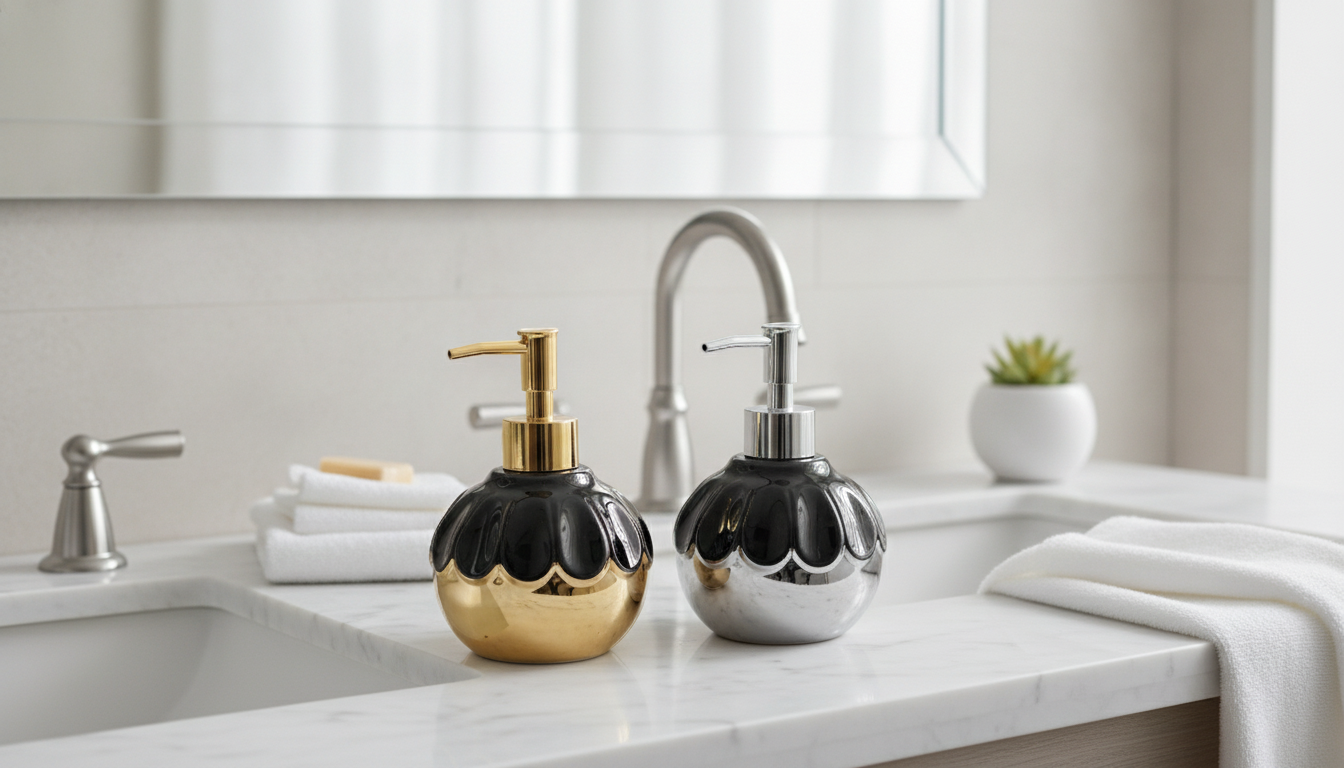
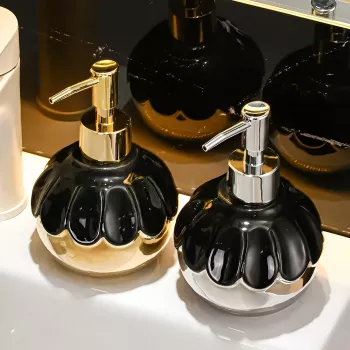
350ml Ceramic Refillable Hand Soap & Sanitizer Dispenser for Bathroom & Kitchen
A refillable ceramic dispenser brings a cleaner look to sinks while keeping soap or sanitizer easy to reach. With a 350ml capacity and a sturdy ceramic body, this style suits busy bathrooms and kitchens where appearance and everyday durability both matter. If handwashing is part of the daily rhythm, a stable, easy-to-refill container helps keep the routine simple and the countertop visually calm—especially in high-traffic homes and guest spaces. For handwashing best practices, the CDC offers clear guidance worth bookmarking: CDC — Handwashing: Clean Hands Save Lives.
What Makes a Ceramic Dispenser a Practical Upgrade
Swapping disposable pump bottles for a ceramic dispenser is a small change that can make a sink area feel more intentional. Beyond looks, ceramic brings functional advantages that hold up in real life.
- Added weight and stability: A ceramic body naturally sits more firmly, helping reduce tipping on wet countertops or crowded sink ledges.
- Refillable by design: Refilling cuts down on the cycle of half-empty plastic bottles gathering around the faucet and under the sink.
- Flexible for multiple liquids: Use it for hand soap, dish soap, lotion, and many gel sanitizers (formula thickness can affect pump speed).
- A more cohesive sink-side look: One coordinated accessory can make a small vanity or kitchenette feel finished without adding clutter.
Reducing single-use packaging is also a practical habit over time. If you’re building more refill-friendly routines, the EPA’s overview is a helpful reference: EPA — Reduce, Reuse, Recycle.
Quick Specs at a Glance
The 350ml size hits a sweet spot: compact enough for tight counters, yet large enough to avoid constant refills.
| Feature | Details | Why it matters |
|---|---|---|
| Capacity | 350ml | Balances compact footprint with fewer refills |
| Body material | Ceramic | Weighted feel and a more elevated look |
| Use cases | Soap, sanitizer, lotion, dish soap | One container can match different rooms and routines |
| Best locations | Bathroom + kitchen sink area | Keeps essentials reachable without visual clutter |
For a simple sink upgrade that’s easy to keep looking neat, see the 350ml Ceramic Refillable Hand Soap & Sanitizer Dispenser for Bathroom & Kitchen.
Bathroom Setup Ideas
Bathrooms tend to show clutter fast—especially around the faucet. A ceramic dispenser can make the vanity feel calmer with just a few small adjustments.
- Add a small tray: A compact tray or coaster under the dispenser catches drips and makes wipe-downs faster.
- Prevent mix-ups in shared spaces: If multiple sinks are used for different products, a subtle waterproof label on the underside helps keep “soap” and “lotion” from swapping places.
- Coordinate with hardware: Matching pump tones to faucet finishes (chrome, matte black, brushed nickel) helps the counter look intentional even in older bathrooms.
- Avoid direct splash zones: Placing it slightly away from heavy water splash keeps the pump cleaner and helps prevent dilution inside the container.
If you like planning cohesive, low-effort updates across a room, the Dream Spaces with AI | Digital Guide for Home Design Inspiration, Prompts, and Visualization can help map out finishes, palettes, and small styling changes without overbuying décor.
Kitchen & Utility Room Uses
Kitchens and utility rooms are where stability and easy dispensing matter most. A ceramic body helps keep the container in place during quick handwashing and mid-cooking cleanups.
- Dish soap station: Use it by the kitchen sink to replace branded bottles and keep the counter looking streamlined.
- Sanitizer where hands enter the space: For sanitizer at a kitchen entry, pantry door, or island edge, keep a small microfiber nearby for quick wipe-ups after dispensing.
- Mudroom and laundry practicality: Fill it with hand soap for quick cleanups after gardening, pets, crafts, or DIY projects.
- Thicker liquids tip: Some lotions dispense more smoothly once warmed to room temperature; test a few pumps first to confirm flow.
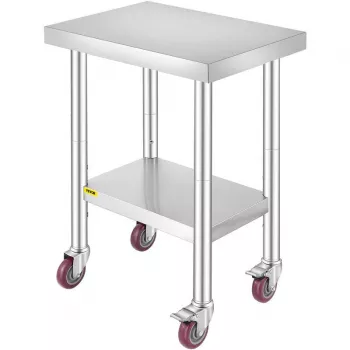
For utility-heavy spaces where extra prep and cleanup room helps keep the sink area clear, consider pairing the setup with the Stainless Steel Kitchen Work Table with Wheels to create a mobile, wipe-clean station for busy days.
Filling, Cleaning, and Everyday Care
A refillable dispenser stays at its best with simple maintenance—especially if you like switching between soap, lotion, and sanitizer seasonally.
- Rinse before first use: Rinse the container and pump components with warm water and let them dry fully.
- Refill slowly: Pour in a steady stream to reduce air bubbles that can cause a few “empty” pumps at the start.
- Clean between liquids: Flush the pump by dispensing warm water with a small amount of mild soap, then rinse with plain warm water.
- Protect the ceramic finish: Avoid harsh abrasives; a soft sponge or cloth helps preserve shine and reduce micro-scratches.
- If the pump sticks: Remove the pump head, soak briefly in warm water, rinse, and reassemble once fully dry.
Where This Dispenser Fits in a Coordinated Countertop Look
Countertop styling works best when it’s functional first. The dispenser can act like a “quiet anchor” that makes the sink area look finished without turning essentials into clutter.
Who It’s Best For
FAQ
Can this dispenser be used for hand sanitizer as well as soap?
Yes. Many liquid soaps and gel-style sanitizers work well; very thick formulas may pump more slowly. If you switch products, a quick warm-water flush helps keep the pump dispensing smoothly.
How often will a 350ml dispenser need to be refilled?
It depends on household size and frequency of use. In light-use spaces (guest bath), 350ml can last weeks, while heavy-use sinks (busy kitchen) may need refilling every several days to a couple of weeks.
What’s the best way to clean the pump if it clogs?
Remove the pump, soak it in warm water, and pump warm water through to clear residue. Rinse well, let parts dry, and avoid harsh chemicals that can damage internal components.
Recommended for you
Was this article helpful?
Yes
No







Leave a comment