Foggy Jelly Cat Keycaps: Chocolate Glow for RGB
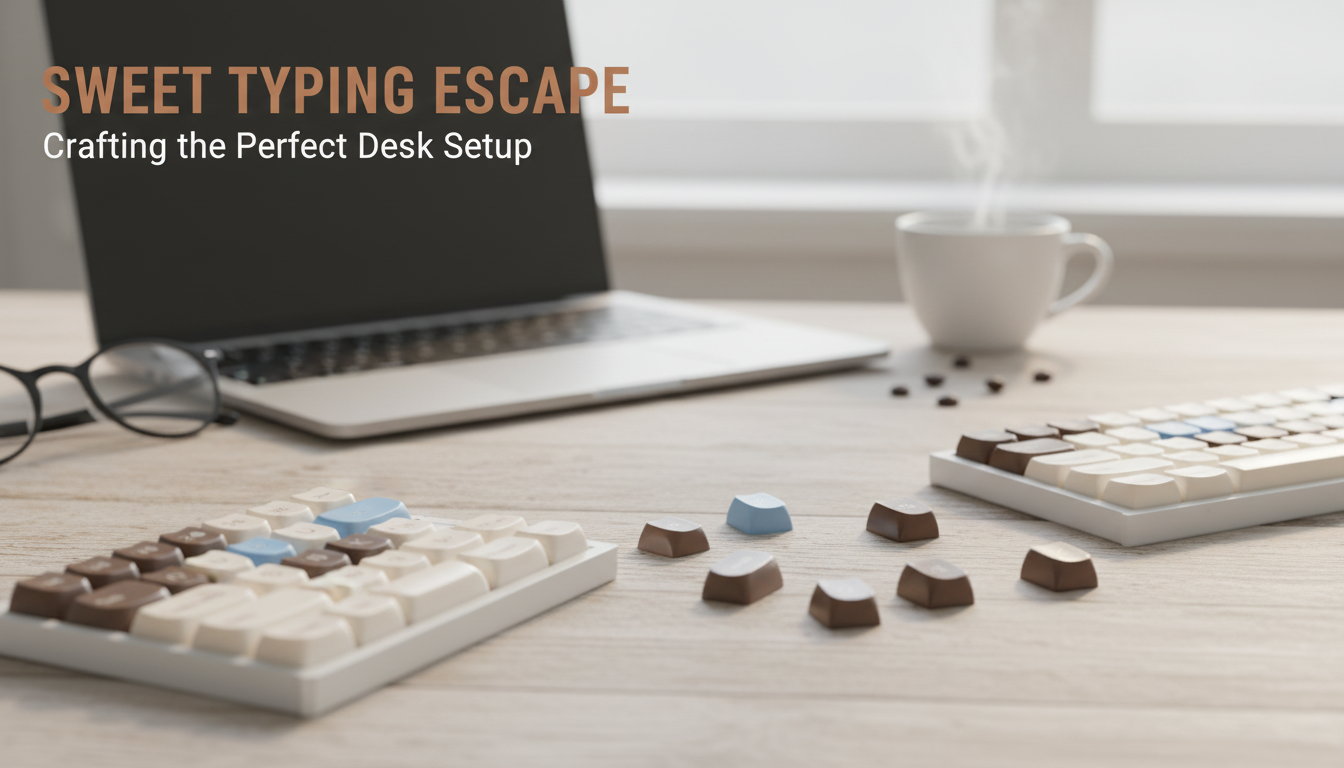
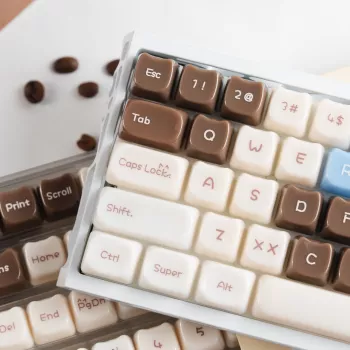
Chocolate Jelly Cat Foggy Translucent Keycaps Set
Soft color, gentle diffusion, and a playful cat theme can change the entire feel of a keyboard without changing the board itself. This set leans into a “foggy” translucent look that pairs especially well with RGB lighting, cozy desk setups, and pastel accessories—while still aiming to stay practical for everyday typing and gaming. For more guidance, see [XLS] Commodity Code – Ohio.gov.
What makes this set look different on a keyboard
The main visual trick behind a foggy translucent keycap set is how it handles light and contrast. Instead of looking crystal-clear (and sometimes overly shiny), the “foggy” finish softens what’s underneath and gives the board a calmer, more blended appearance. For further reading, see amp – Pannellum.
- Foggy translucent finish: Diffuses light rather than showing harsh LED hotspots, creating a softer glow across the board.
- Chocolate-toned palette: Works as a neutral that can still feel warm and cute, especially alongside cream or beige cases.
- Cat-inspired styling: Adds character without forcing a full novelty-only layout.
- Less visual “clutter”: Translucent caps can read cleaner than loud colors or high-contrast legends, especially on compact boards.
Fit and compatibility checklist before buying
Keycaps are one of the easiest upgrades to install, but compatibility is where most surprises happen. A quick check now saves you from mismatched bottom rows or caps that don’t mount correctly.
Quick compatibility guide
| What to check | Why it matters | How to confirm |
|---|---|---|
| Stem type (MX-style vs others) | Determines whether the caps will mount securely | Look up the switch model or check the listing for “MX compatible” |
| Keyboard layout (ANSI/ISO) | Enter key and some legends differ | Compare your Enter and left Shift shape to the set’s included keys |
| Bottom row sizes | Non-standard bottom rows need specific sizes | Measure or check your keyboard’s specs (Ctrl/Alt/Win sizes) |
| Stabilized keys | Large keys need stable fit and smooth movement | Identify keys with stabilizers (Space/Enter/Shifts/Backspace) |
- Switch stems: Most enthusiast and gaming keyboards use MX-style stems, but some low-profile boards and laptop-style mechanicals do not.
- Layout and sizing: Confirm whether your keyboard is ANSI or ISO, and verify it includes the right keys for your layout size (60/65/75/TKL/full-size).
- Stabilizers: Cherry-style stabilizers are common on MX boards; stable fit on Space, Enter, Backspace, and Shifts affects both sound and feel.
- Removal/install: If your board is hot-swappable, swapping caps is straightforward. Even so, pull gently—tight keycaps can tug switches if you rush.
If you want a quick refresher on how profiles and rows differ across sets, Deskthority’s reference on keycap profiles is a helpful overview.
How the foggy translucent style interacts with RGB lighting
This set’s “jelly” character really shows up when lighting hits it—especially per-key RGB. The foggy surface acts like a built-in diffuser, spreading light more evenly across the cap so the board glows rather than sparkles.
- More even illumination: Diffusion can make per-key RGB look smoother, particularly on boards with bright SMD LEDs.
- Color choices matter: Warm white, amber, and soft pink often look more “cozy café” than fast rainbow cycles.
- Readable without blasting brightness: If legends are translucent, you can usually lower brightness to reduce glare while keeping clarity.
- No-RGB boards still benefit: The translucent depth remains, but the signature glow effect will be subtler.
Comfort, sound, and everyday use expectations
Looks are the headline, but day-to-day feel determines whether a set stays on your keyboard. In general, translucent caps can sound a bit brighter than thick opaque caps, depending on the plastic blend and wall thickness. That doesn’t mean “worse”—it simply shifts the tone toward a cleaner clack rather than a muted thock.
- Texture and grip: A foggy surface tends to feel less slippery than ultra-glossy jelly caps, which can pick up fingerprints quickly.
- Profile affects comfort: Sculpted rows can feel more ergonomic for long typing sessions, while uniform profiles stay consistent for gaming and remaps.
- Stabilized keys reveal the most: Spacebar and Enter are where rattle or hollowness shows up first; tuning stabilizers can dramatically improve the final result.
If you’re curious how legend manufacturing changes durability and shine over time, Deskthority also covers double-shot keycaps, and WASD’s keycap guide provides a practical overview of materials and fit.
Care and cleaning for translucent keycaps
Translucent caps can stay looking fresh for a long time with gentle cleaning. The main goal is avoiding anything that scratches or chemically hazes the surface.
Styling ideas for a cozy “chocolate + cat” desk setup
Product options available now
- Chocolate Jelly Cat Foggy Translucent Keycaps Set — $52.51. A strong match for RGB boards that benefit from softer diffusion and for cozy setups that want a warm neutral base.
- Dream Spaces with AI | Digital Guide for Home Design Inspiration, Prompts, and Visualization — $6.99. A lightweight way to brainstorm complementary colors and lighting ideas if you’re refreshing more than just the keyboard corner.
FAQ
Will translucent keycaps work on any mechanical keyboard?
Not always. You’ll need the right stem type (most commonly MX-style), plus a set that matches your keyboard layout (ANSI vs ISO) and includes the correct bottom-row sizes and stabilized keys for your board.
Do foggy translucent keycaps make RGB brighter or dimmer?
They usually make RGB look smoother and more even by reducing hotspots, but the diffusion can slightly lower perceived brightness. If it feels too bright or glary, turning brightness down and using warm, saturated colors often looks best.
How should translucent keycaps be cleaned without clouding them?
Use lukewarm water with mild soap, rinse well, and dry fully with a soft towel or microfiber cloth. Avoid alcohol, strong solvents, and abrasive scrubbers that can haze or scratch the translucent surface.










Leave a comment