5-in-1 High-Speed Dryer Brush for Fast, Smooth Blowouts
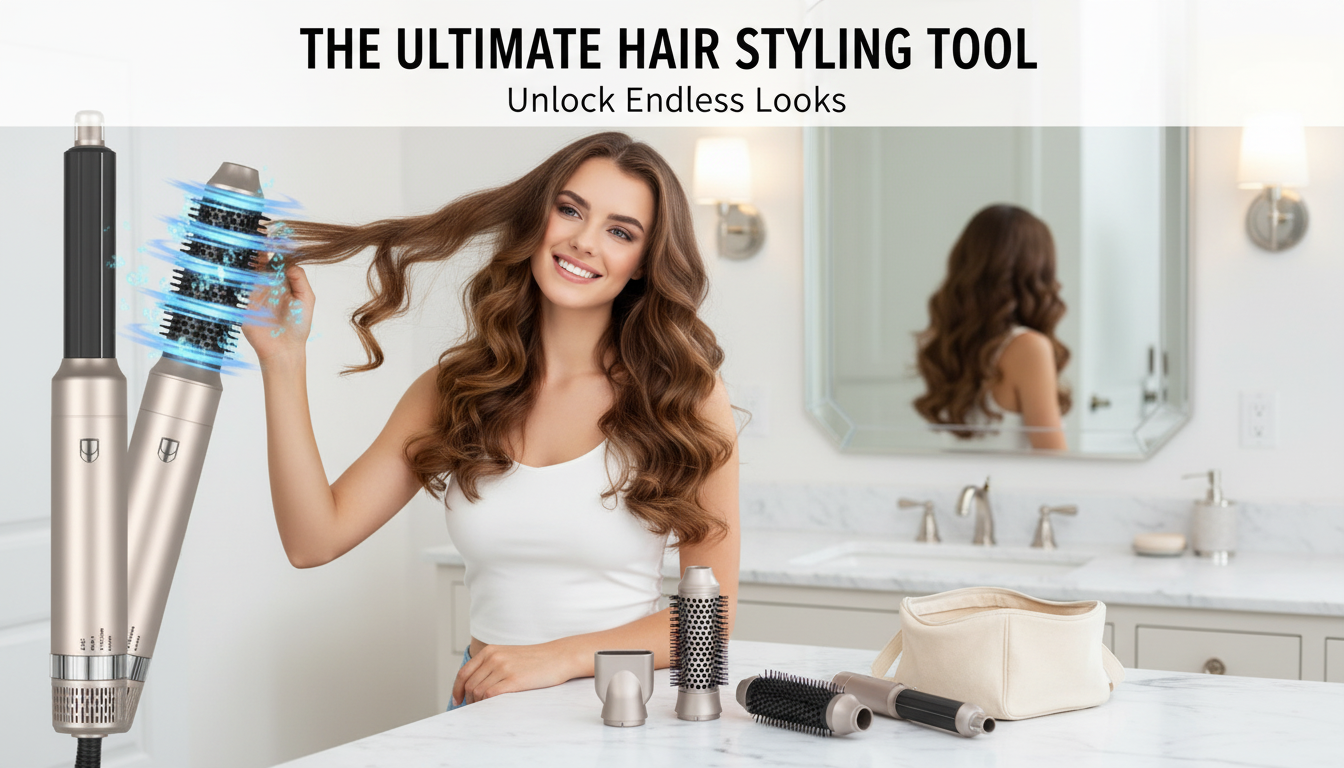
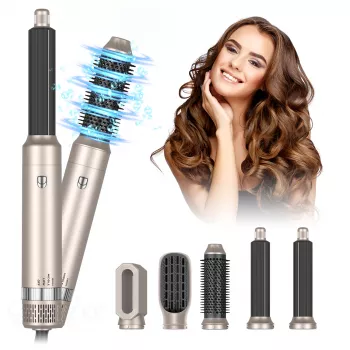
5-in-1 Professional High-Speed Hair Dryer & Styling Brush: Fast Blowouts, Smoother Finish, Fewer Tools
A high-speed hair dryer styling brush pairs focused airflow with brush tension, so hair can go from damp to styled with less back-and-forth between a dryer and a separate round brush. The goal isn’t “more heat”—it’s better efficiency: removing moisture faster, then shaping with controlled direction for a smoother surface and a more polished finish. Below is a practical guide to what a 5-in-1 multi-styler does, what each attachment is for, and how to get long-lasting results while keeping heat exposure in check.
What a high-speed dryer styling brush does (and why it feels faster)
Compared with a standard dryer + brush routine, a high-speed styling brush can feel quicker because it streamlines two steps into one: drying and shaping. That’s especially noticeable when you’re aiming for an everyday blowout, soft bend at the ends, or a smoother “done” look without a flat iron.
- Higher-velocity airflow helps remove moisture sooner, so styling can start earlier in the routine.
- Brush tension + directed airflow shapes hair while it dries, reducing the need to coordinate a separate round brush and dryer.
- Downward airflow direction (roots to ends) helps smooth the cuticle, which can boost shine and reduce the look of frizz.
- Best starting point: towel-dried and detangled hair. Working on soaking-wet hair often increases total heat time and repeat passes.
- Most useful for: quick blowouts, smoothing flyaways, adding bend at the ends, and day-two refreshes.
Meet the 5-in-1 Professional High-Speed Hair Dryer & Styling Brush
If the main frustration is juggling multiple hot tools, a multi-attachment device can simplify the routine: rough-dry, refine with a brush head, then finish with a cooler setting. The biggest difference in outcomes usually comes from matching the attachment to the goal (dry first, then shape), rather than trying to perfect the style while hair is still very wet.
| Item | Details |
|---|---|
| Name | 5-in-1 Professional High-Speed Hair Dryer & Styling Brush |
| Price | $68.51 USD |
| Availability | In stock |
| Product page | View current photos & listing specs |
What each attachment is typically used for
Multi-stylers work best when you treat attachments like a sequence: dry first, then refine, then set. If your routine tends to fall flat, it’s often because hair never fully dries at the roots or the finishing step is skipped.
- Dryer / airflow head: quick moisture removal and root lift prep before detailed styling.
- Smoothing brush: adds controlled tension to reduce puffiness and guide hair into a straighter shape.
- Volumizing brush: helps lift at the roots and creates a rounded, bouncy finish through mid-lengths and ends.
- Curling or shaping barrels (if included): designed for softer bends and waves; best on hair that’s about 80–90% dry.
- Finishing focus: cooler air + a small amount of lightweight serum on the ends can improve shine and reduce flyaways.
| Goal | Best time to use | Quick tip |
|---|---|---|
| Fast dry | Right after towel-dry | Keep the tool moving; focus on roots first |
| Sleek finish | When hair is mostly dry | Work in sections; angle airflow down the hair shaft |
| Volume | Mostly dry at the roots | Lift up and away from the scalp; pause briefly at the root |
| Soft waves/bends | 80–90% dry | Use consistent tension; let the section cool before brushing out |
How to use it for a smooth blowout (step-by-step)
A smooth blowout is mostly about prep, sectioning, and finishing. Think fewer passes per section, more intention per pass.
Hair-type guidance: settings, sections, and expectations
For general hair-damage prevention guidance, see the American Academy of Dermatology Association’s hair care tips. For a deeper look at hair-shaft damage and common care practices, the NCBI overview on hair shaft damage is a helpful reference.
Care, safety, and keeping performance consistent
Who this 5-in-1 tool is a good fit for
More in-stock picks to round out your cart
- 5-in-1 Professional High-Speed Hair Dryer & Styling Brush ($68.51)
- Dream Spaces with AI | Digital Guide for Home Design Inspiration ($6.99)
- USB Rechargeable Super Bright Bike Headlight & Taillight Set ($29.51)
FAQ
Can a high-speed dryer styling brush replace a separate blow dryer and round brush?
For many everyday blowouts and smoothing routines, yes—especially if you rough-dry first and then refine in sections. Results still depend on hair density, length, and whether you want very precise round-brush shaping.
Is it safe to use a styling brush dryer on fine or damaged hair?
It can be safe when you use a heat protectant, stick to the lowest effective heat, and limit repeat passes on the same section. If hair starts feeling drier or breakage increases, reduce frequency and rely more on pre-drying and lower settings.
How do results last longer in humidity?
Dry the roots thoroughly, finish with cool air, and let sections cool before brushing. An anti-humidity product and a light, flexible-hold spray can help maintain shape without weighing hair down.







Leave a comment