Escape-Resistant No-Pull Reflective Harness for Dogs
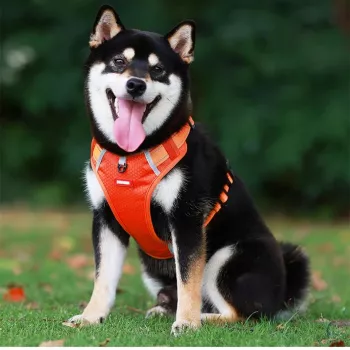
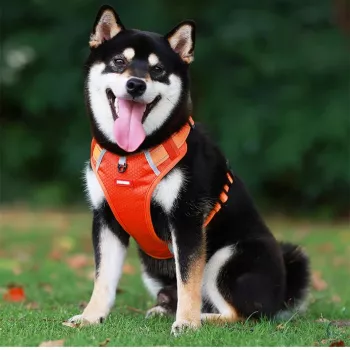
Escape-Proof No-Pull Reflective Dog Harness for Small & Medium Dogs
For dogs that back out of gear, pull hard on walks, or need extra visibility at dusk, a secure harness can change daily routines fast. The right design helps keep straps from creeping forward, gives you a better steering point than a collar, and makes low-light walks safer with reflective accents. Below is what “escape-resistant” really comes down to, how a front-clip setup can calm pulling, and how to measure, fit, and maintain a harness so it stays comfortable and reliable.
Why dogs slip harnesses (and how better design helps)
Most “escape moments” happen in a split second—right when a dog is startled, excited, or determined to head the other direction. Small and medium dogs can be especially quick and flexible, which makes fit and strap placement non-negotiable.
- Common escape moves: backing up, twisting one shoulder forward, or flattening the body to slide straps toward the head.
- Fit issues that cause escapes: neck openings that are too large, straps sitting too far forward on the shoulders, or a chest strap that’s positioned incorrectly and allows rotation.
- Better control points reduce leverage: a front-clip attachment helps redirect pulling toward you instead of letting your dog lean into the leash.
- More contact area can improve comfort: compared to collars, a well-built harness spreads pressure across the chest/torso—helpful for strong pullers and sudden lunges.
What “escape-proof” really means for small and medium dogs
No harness is magic, and no label can replace correct sizing. In practice, “escape-proof” means the harness is designed to stay in the right place and resist shifting when your dog backs up or pivots.
- Secure, multi-point fit: straps should sit behind the shoulder blades rather than creeping toward the neck.
- Second securing strap: a second strap around the torso adds another “checkpoint,” reducing the chance your dog can reverse out.
- Hardware that holds adjustments: sturdy buckles and adjustment sliders that don’t loosen over time are essential, especially for frequent walkers.
- Design + fit work together: even great hardware won’t help if the harness is too large or straps are left loose.
Quick fit-and-safety checklist
| Checkpoint | What to look for | Why it matters |
|---|---|---|
| Neck opening | Sits comfortably without pressing the throat; not wide enough to slide over the head when dog backs up | Reduces slip-out during reverse pulling |
| Chest piece position | Centered on chest, not rubbing the armpits | Helps prevent chafing and keeps harness stable |
| Belly/torso strap placement | Behind the ribcage (not on soft abdomen) and snug | Adds security and reduces twisting |
| Two-finger snugness | Two fingers fit under straps; no gaps large enough for a paw to hook through | Balances comfort with security |
| Leash attachment point | Front clip for training; back clip for steady walking | Improves control and reduces pulling |
No-pull walking: how front-clip control changes behavior
A front-clip harness changes the physics of pulling. When your dog surges forward, the leash connection at the chest tends to turn the body back toward you, interrupting that straight-line power your dog gets with a back clip or collar.
- Redirection over force: the goal is to guide your dog back into position, not to “correct” with a jerk.
- Train while you walk: pair the front clip with simple, consistent rewards—mark and treat when the leash stays loose, and pause when it goes tight. The ASPCA’s overview of leash training offers a helpful framework for reward-based practice.
- Back clip still has a place: once manners improve, a back-clip option can feel smoother for casual walks, hikes, or dogs that already walk politely.
For additional training guidance, the ASPCA’s leash training tips and the AKC’s loose-leash walking guide are solid starting points.
Reflective details for low-light walks
Reflective trim is most useful when it’s positioned where light hits naturally—think car headlights or streetlights. On a harness, the most visible zones are usually the chest and sides, because they catch light from multiple angles as your dog moves.
How to measure and fit for a secure, comfortable walk
Care, durability, and everyday use
For general public safety reminders around dogs and handling, the AVMA’s dog bite prevention guidance is a useful reference—especially for busy sidewalks, kids, and crowded parks.
Product spotlight: Escape-Proof No-Pull Reflective Dog Harness
Shop the harness here:
Escape-Proof No-Pull Reflective Dog Harness for Small & Medium Dogs.
For extra visibility on very dark routes, consider bringing an additional light source:
USB Rechargeable Super Bright Bike Headlight & Taillight Set.
At-a-glance details
| Item | Details |
|---|---|
| Name | Escape-Proof No-Pull Reflective Dog Harness for Small & Medium Dogs |
| Price | 22.67 USD |
| Availability | In stock |
| Product page | View product |
FAQ
Can a dog back out of an escape-proof harness?
Yes—no harness is 100% escape-proof for every dog. Security depends on correct sizing, keeping straps positioned behind the shoulders, snug adjustments, and using the best leash attachment for control. Test the fit indoors first and recheck after a few walks as the webbing settles.
Does a no-pull harness hurt dogs?
A properly fitted no-pull harness is designed to reduce strain compared with a collar for dogs that pull. Discomfort usually comes from poor fit (like armpit rubbing or overly tight straps) or harsh leash handling. Aim for a snug, stable fit and use calm redirection with reward-based practice.
How tight should a dog harness be?
Use the two-finger rule: you should fit two fingers under each strap without large gaps. Small dogs may need a slightly firmer snugness to prevent slipping, but the harness should not chafe, restrict shoulder movement, or migrate toward the throat during walking.










Leave a comment