Nordic Geometric Tea Table: Small Sculptural Side Accent
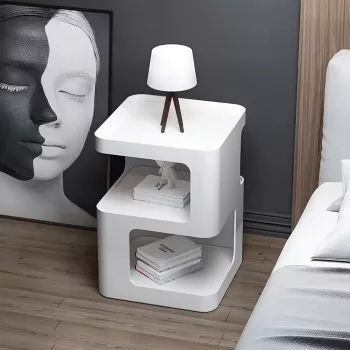
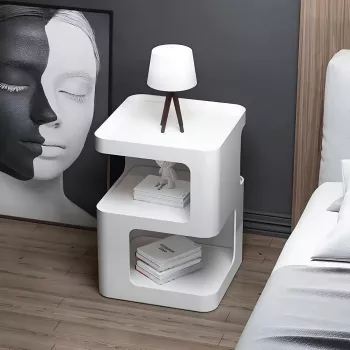
Modern Nordic Geometric Design Small Tea Table: A Sculptural Accent for Calm, Functional Living
A geometric tea table can do more than hold a cup—it can anchor a seating area, add visual rhythm, and keep everyday essentials within reach. This modern Nordic piece balances clean lines with a sculptural silhouette, making it easy to style in minimalist, contemporary, and soft-industrial rooms without overwhelming the space.
Rooted in the calm practicality associated with Scandinavian design—clean forms, usability, and a preference for visual ease—geometric accent tables offer structure without noise. For a quick background on how Nordic and Scandinavian aesthetics evolved, see Britannica’s overview of Scandinavian design, and for broader context on space planning and decorative principles, Britannica’s interior design overview.
What Makes a Nordic Geometric Tea Table Feel “Right” in a Room
The best geometric tables don’t compete with the rest of the room—they clarify it. A strong shape can still feel quiet when the proportions are compact, the lines are clean, and the styling around it leaves breathing room.
- Simple overall form with intentional geometry: crisp angles or faceted surfaces that read as art, not clutter.
- Visual lightness: a compact footprint and open feel that suits smaller living rooms and apartments.
- Quiet contrast: geometry provides structure while Nordic styling keeps the palette and lines calm.
- Versatile placement: works as a tea table beside a sofa, a small center table in a reading nook, or a sculptural pedestal for decor.
Modern Nordic Geometric Design Small Tea Table: Overview
If a room already has soft elements—boucle, linen, warm woods, rounded upholstery—a geometric tea table adds a needed “edge” without turning the space cold. The Modern Nordic Geometric Design Small Tea Table is designed as a compact accent table with a statement profile that works especially well with light woods, neutral upholstery, and matte black accents.
- Designed as a compact accent table with a geometric statement silhouette.
- Pairs well with light woods, neutral upholstery, boucle textures, and matte black accents.
- Best used for daily tabletop needs: tea/coffee, a small tray, books, and decorative objects.
- Easy to style in minimalist, contemporary, and soft-industrial rooms.
At-a-Glance Details
| Item | Details |
|---|---|
| Product | Modern Nordic Geometric Design Small Tea Table |
| Price | 719.32 USD |
| Availability | In stock |
| Primary use | Small tea/side table accent |
| Style fit | Modern Nordic, minimalist, contemporary |
Styling Ideas That Highlight the Geometric Shape
The key to styling a geometric table is restraint. A bold silhouette looks more intentional when the tabletop is edited and the surrounding area isn’t crowded. Think “gallery plinth,” but livable.
- Keep the tabletop edit tight: one tray + one book + one small vessel so the silhouette stands out.
- Echo the geometry subtly: choose a rug with a low-contrast pattern or a cushion with simple linear stitching.
- Balance hard angles with soft textures: knit throws, boucle pillows, linen curtains, or a plush rug help the shape feel welcoming.
- Use negative space: avoid crowding it with nearby stools or bulky baskets so the form reads clearly from multiple angles.
- Try tone-on-tone: light neutrals for a calm Nordic look; add one dark accent (like a lamp base or frame) for depth.
If planning a refresh and wanting more layout and styling direction, pair the table with a quick idea generator such as Dream Spaces with AI | Digital Guide for Home Design Inspiration, Prompts, and Visualization to explore cohesive palettes and decor “recipes” before buying additional pieces.
Where It Works Best: Placement Tips
A small tea table earns its keep when it’s close enough to be useful, but not so close that it interrupts circulation. Aim for comfortable reach from the seat, and keep the area around the base visually open.
- Next to a sofa arm: align the tabletop close to seat height for easy reach.
- In a reading corner: pair with a compact lounge chair and a floor lamp to create a dedicated pause spot.
- Between two chairs: acts as a shared surface for mugs or a small vase without needing a full coffee table.
- In a bedroom: functions as a nightstand alternative when a lighter, sculptural look is preferred.
- Entryway accent: a small statement surface for keys and a catchall bowl when space is tight.
Quick Placement Guide
| Placement | What to Put on It | What to Avoid |
|---|---|---|
| Sofa-side | Coaster set, small tray, book | Tall clutter that blocks sightlines |
| Reading nook | Mug, candle, slim lamp | Oversized decor that eats the surface |
| Two-chair chat spot | Small vase, shared tray | Multiple stacks of books |
| Bedside | Lamp, water glass, small dish | Too many electronics and cords |
| Entry accent | Catchall bowl, minimal greenery | Bulky baskets that crowd foot traffic |
Care and Everyday Use
A Simple Shopping Checklist for Geometric Tea Tables
For a compact, design-forward choice that fits this checklist well, consider the Modern Nordic Geometric Design Small Tea Table as a primary anchor piece, then keep surrounding decor minimal so the geometry reads clearly.
FAQ
Is a geometric tea table practical for everyday use?
Yes—when it’s used as a small surface for drinks, a tray, and a few essentials. Coasters and a tray help protect the finish, and keeping the top lightly styled preserves daily usability.
How should a tea table height relate to a sofa or chair?
Aim to align the tabletop close to the seat cushion height (or slightly below) so it’s comfortable to reach without leaning. Measure from the floor to the top of the seat cushion where you actually sit to get the most accurate height reference.
What decor looks best on a Nordic geometric table?
Minimal, sculptural pieces work best: a low vase, a single book, and a small tray. Texture contrast—linen, ceramic, and matte metals—adds warmth while leaving enough negative space for the geometric silhouette to stand out.








Leave a comment