Portable Chainsaw Milling: Straight Slabs, No Sawmill
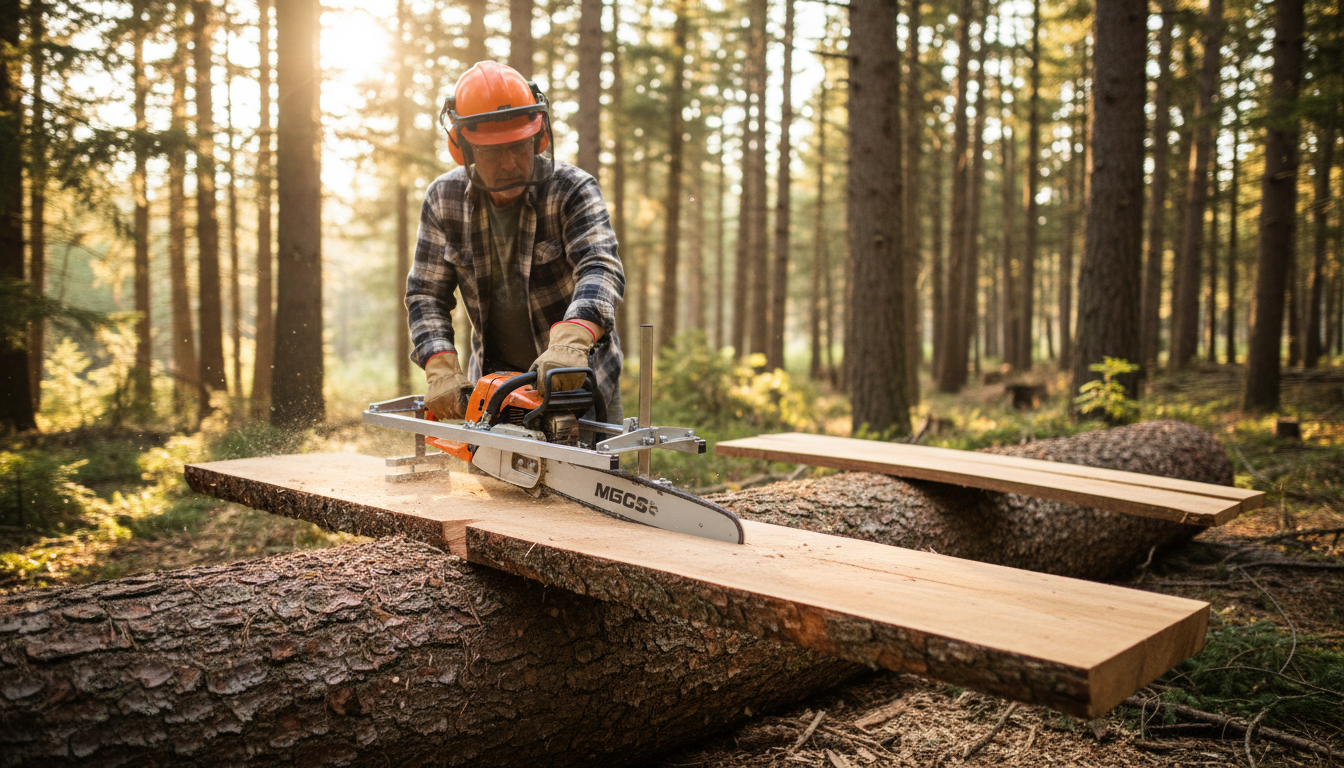
Portable Chainsaw Milling: Big Slabs Without a Big Sawmill
Turning logs into usable slabs doesn’t have to require a full-size sawmill. A portable chainsaw mill clamps to a compatible bar and guides the cut so boards and live-edge slabs can be milled on-site. With an adjustable-thickness frame, one mill can cover a range of projects—from thin siding stock to hefty tabletop slabs—while helping the saw track straighter than a freehand rip. Below is a practical guide to bar fit, thickness ranges, setup basics, and the small habits that make your cuts more repeatable and your milling sessions safer.
What a portable chainsaw mill does
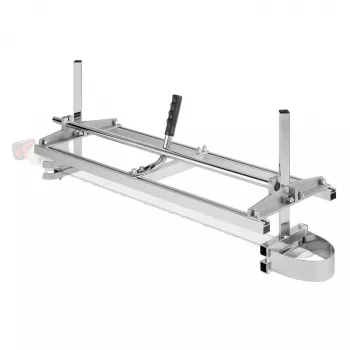
A portable chainsaw mill is essentially a rigid cutting frame that mounts to your chainsaw bar. Once attached, the frame rides against a reference surface and keeps the saw traveling in a controlled plane through the log.
- Attaches to a chainsaw bar and creates a stable guide for ripping along the grain.
- Helps control slab thickness and improves consistency compared with freehand milling.
- Works well for storm-fallen trees, remote properties, and occasional milling where moving logs is difficult.
- Best suited for ripping cuts using an appropriate chain and a well-supported log to reduce binding.
Instead of “steering” the bar through the wood, you’re focusing on maintaining a smooth feed rate, keeping the mill riding true, and managing chip clearance—three things that typically improve surface finish and reduce wandering.
Key fit and adjustment ranges
Two specs matter most when shopping: bar compatibility (what bar lengths the frame fits) and thickness adjustment (the range of slab depths you can set). A mill designed for 14″–36″ bars covers many common homeowner and farm saw setups, while still giving room to scale up when you’re ready for wider logs.
- Bar compatibility: designed for chainsaw bars from 14″ to 36″, covering many typical saw sizes.
- Thickness adjustment: supports cuts from about 0.2″ up to 11.81″, useful for thin boards, siding stock, or thick live-edge slabs.
- Even tightening matters: tighten adjustment hardware evenly so both sides of the frame remain parallel, reducing taper.
- Match thickness to capacity: thicker cuts demand more power and a slower feed; thin cuts are easier on the saw but less forgiving of setup errors.
Thickness settings and typical uses
| Thickness range | Common projects | Practical notes |
|---|---|---|
| 0.2″–1″ | Paneling, small boards, shims | Requires the most accurate leveling; minor flex shows up quickly |
| 1″–2″ | General lumber, shelving stock | A good balance between yield and ease of cutting |
| 2″–4″ | Tabletops, benches, stair treads | Slower feed rate; keep chain sharp and chips clearing |
| 4″–11.81″ | Thick slabs, carving blanks | Heavy load; stable log support and adequate saw power matter most |
Getting straight, repeatable cuts
Portable milling rewards patient setup. Most “bad slabs” trace back to a crooked first reference, a log that shifts mid-cut, or a mill that isn’t square to the bar.
- Start with a flat reference: for the first cut, fasten a straight guide rail, ladder, or stiff plank so the mill rides true and creates a flat face.
- Support the log: use cribbing, wedges, or blocks to prevent rolling and reduce pinching; stabilize both ends before you start.
- Square the frame: measure from the mill frame to the bar at multiple points; ensure both sides match before the first pass.
- Let the saw work: forcing the feed can increase heat and wandering, and can contribute to washboarding on long rips.
- Retighten during the session: vibration can loosen knobs and nuts; recheck fasteners and alignment periodically.
For longer logs, it also helps to plan your stance and walking path so you can keep steady pressure and avoid twisting the bar. If the mill has to “follow” your body around knots, the cut will show it.
Chain, bar, and saw considerations
Safety and setup essentials
For additional guidance, consult authoritative chainsaw safety resources such as OSHA’s chainsaw safety overview and the USDA Forest Service chainsaw safety materials.
Product spotlight: Portable Chainsaw Mill for 14″–36″ Bars
If you want a straightforward way to start milling on-site without committing to a dedicated sawmill, the Portable Chainsaw Mill for 14″-36″ Bars, Adjustable Thickness 0.2″-11.81″ is built around the two specs that matter most: wide bar compatibility and a generous thickness range. It’s a practical choice for occasional slab work, storm cleanup, and turning yard trees into usable boards—especially when paired with a solid first-cut guide and careful log support.
Quick details
| Item | Details |
|---|---|
| Compatible bar length | 14″–36″ |
| Adjustable thickness | 0.2″–11.81″ |
| Type | Portable chainsaw mill attachment |
| Price | $65.32 |
After milling, a stable staging surface can make measuring, labeling, and sticker-stacking easier. For shop or garage organization, consider a dedicated workstation such as the Stainless Steel Kitchen Work Table with Wheels, which can be handy for tool layout, finish prep, and keeping wedges, tape measures, and fasteners in one place.
FAQ
Can a portable chainsaw mill work with a 14-inch bar?
Yes, as long as the mill supports a 14″ bar. Keep in mind that a shorter bar limits the maximum log width you can cut in one pass, and you’ll need adequate saw power for the wood species and diameter you’re milling.
How is slab thickness set on an adjustable chainsaw mill?
Thickness is set by adjusting both sides of the mill frame to the same measurement and tightening the hardware evenly. Before cutting, verify the frame is parallel to the bar so the slab doesn’t taper from one side to the other.
What helps prevent uneven thickness or taper across a slab?
Use a straight first-cut guide, stabilize the log so it can’t roll or settle, and keep the mill level throughout the pass. Avoid forcing the feed rate, and retighten fasteners periodically to prevent vibration from shifting your settings.











Leave a comment