-
Shop
- Advanced Technologies
- AI Skills Mastery 2026 Collection
- Best Sellers
- Bottoms
- Car Accessories
- Dating & Social Skills
- Digital Products
- Digital Resources
- Dresses
- Education & Learning
- Family & Parenting
- Fashion
- Furniture
- Gadgets
- Health & Beauty
- Health & Wellness
- Home & Garden
- Jewelry
- Kids & Babies
- Patio, Lawn & Garden
- Personal Growth
- Pet Care
- Pet Supplies
- Pets
- Shoes
- Sport & Outdoors
- Swimwear
- Tops
- Travel
- Wealth
- Wealth Building
- Budgeting & Saving
- Cryptocurrency Investing
- Debt Management
- Entrepreneurship & Business Growth
- Family Finance & Budgeting
- Financial Independence
- Financial Mindset & Psychology
- Financial Planning
- Frugal Living & Expense Hacks
- Goal Setting
- High-Income Skills
- Leadership
- Networking & Mentorship
- Passive Income Strategies
- Real Estate Investing
- Side Hustles
- Stock Market Investing
- Workout Clothes & Activewear
Stainless Steel Veg Chopper & Food Processor: Faster Prep
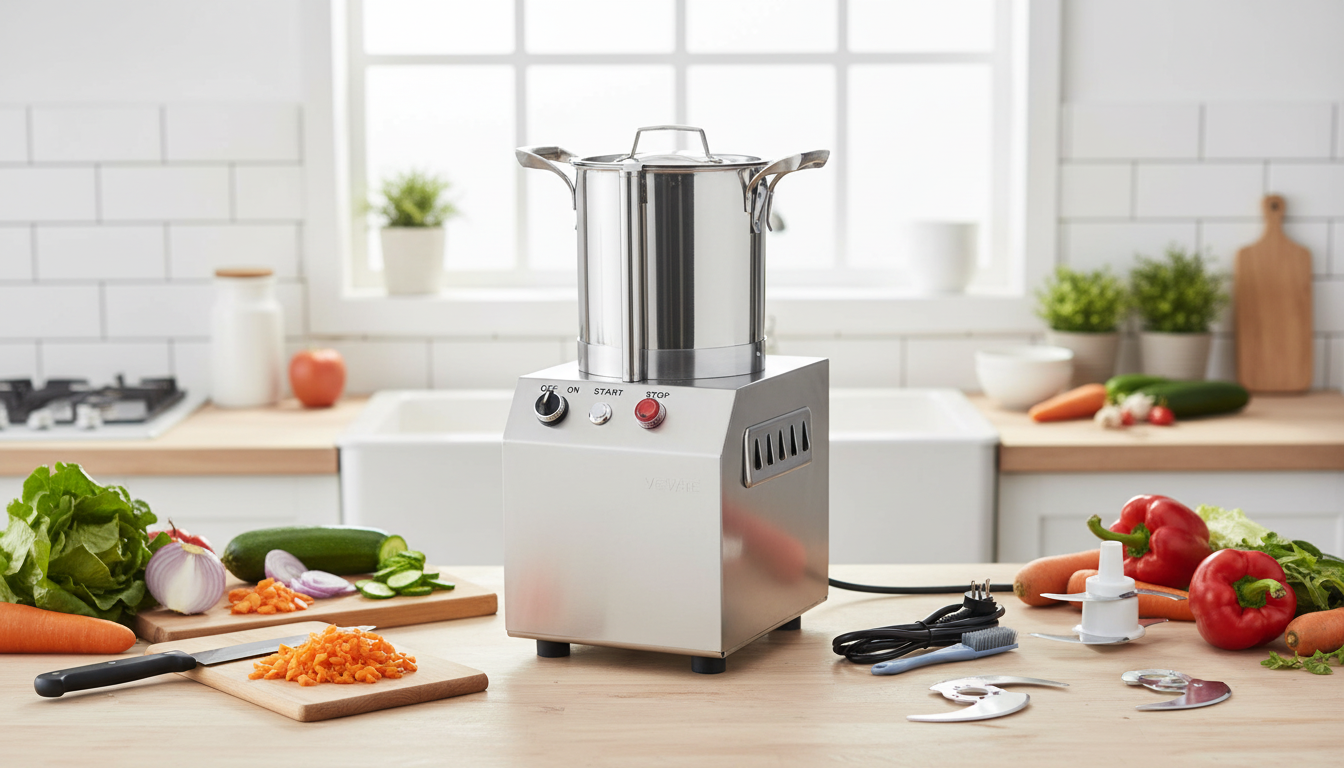
Stainless Steel Multifunctional Food Processor & Vegetable Chopper for Faster Meal Prep
A multifunctional stainless steel food processor and vegetable chopper can streamline daily cooking by reducing chopping time, improving consistency, and keeping prep more organized. When weeknights get busy or batch cooking is the goal, the biggest win is turning repetitive slicing and dicing into a quick, repeatable step—without scattering onion skins, carrot coins, and cabbage shreds all over the counter. Below is a practical guide to what this type of tool does best, why stainless steel matters, how to use it safely, and how to keep it sharp and reliable for the long haul.
What This Type of Food Processor and Vegetable Chopper Is Best For
A multifunctional chopper shines when speed and consistency matter more than perfect knife artistry. It’s especially useful for:
- Quick, repeatable cuts for salads, stir-fries, soups, salsas, and meal prep containers
- Reducing prep fatigue when processing high volumes of onions, carrots, cucumbers, peppers, potatoes, or cabbage
- Creating more even pieces for consistent cooking times (especially for roasting and sautéing)
- Replacing multiple single-use tools (knife + board + manual chopper) in smaller kitchens
- Supporting batch cooking routines by speeding up repetitive slicing and dicing steps
If meal prep tends to stall at the “I don’t want to chop all that” stage, a sturdy chopper can be the difference between cooking at home and defaulting to takeout.
Stainless Steel Construction: Practical Benefits
Not every kitchen tool needs to be metal, but stainless steel offers real day-to-day advantages for a high-use prep tool:
- Durability under frequent use: stainless steel resists warping, cracking, and many common kitchen impacts better than typical plastics
- Odor and stain resistance: less likely to retain strong aromas (garlic, onion) and pigments (beet, turmeric) when cleaned promptly
- Temperature tolerance: better suited for alternating between cool ingredients and warm rinses without stressing the body
- A more stable feel: a solid build can help reduce tipping or shifting on the countertop
- Long-term value: a sturdier, everyday prep tool is easier to rely on than a “one-season gadget”
Stainless steel still benefits from sensible care—especially around blade edges and any seams where moisture can linger—but it’s a strong match for cooks who use a chopper several times a week.
Common Functions and Attachments to Expect
While exact attachments vary by model, multifunctional units typically cover the core prep tasks that slow meals down:
- Chopping and dicing for vegetables and fruits; ideal for mirepoix, pico-style mixes, or chopped salad kits
- Slicing for uniform rounds and strips (cucumber, zucchini, potato) when consistent thickness matters
- Shredding or grating for carrots, cheese, or cabbage depending on included blades
- Mincing aromatics (garlic, ginger) in small amounts, often with less mess than cutting board prep
- Mixing/light processing for softer ingredients (herbs, cooked vegetables) where a consistent texture is desired
Prep Tasks and the Cut That Works Best
| Prep goal | Best cut style | Ingredients that work well | Tips for better results |
|---|---|---|---|
| Fast weeknight stir-fry | Uniform dice or thin strips | Bell peppers, onions, carrots, snap peas | Keep pieces similar size to avoid uneven cooking |
| Roasting sheet-pan vegetables | Medium dice or thicker slices | Potatoes, sweet potatoes, squash, broccoli stems | Rinse starchier veg and dry well for better browning |
| Crunchy chopped salads | Small dice | Cucumber, celery, radish, peppers | Chill ingredients for cleaner cuts and less bruising |
| Slaw for tacos or bowls | Shred or thin slice | Cabbage, carrots | Salt lightly, rest 10 minutes, then drain for better texture |
| Meal prep onion base | Small/medium dice | Onions, shallots | Cut into halves first for more stable processing |
Using It Safely and Getting Consistent Results
Consistency comes from a few repeatable habits more than “pushing harder.” For best results:
- Start with stable placement: use on a dry, flat surface and keep cords or clutter away from the working area
- Prep ingredients first: trim ends, peel when needed, and cut oversized items into chunks to reduce strain and jamming
- Avoid overfilling: smaller batches often produce more even pieces and reduce the chance of forcing ingredients through
- Use steady pressure rather than force: forcing can damage blades and can lead to uneven cuts
- Keep hands clear of blades: during assembly and cleaning, use provided tools or handles and never reach into the cutting area
Cleaning, Maintenance, and Food Safety Basics
For step-by-step guidance on safe cleaning and sanitizing habits, use authoritative references like the USDA Food Safety and Inspection Service (Cleaning and Sanitizing) and the FDA’s consumer basics on Clean, Separate, Cook, and Chill.
Where It Fits in a Meal Prep Setup
Recommended In-Stock Picks for Faster Prep
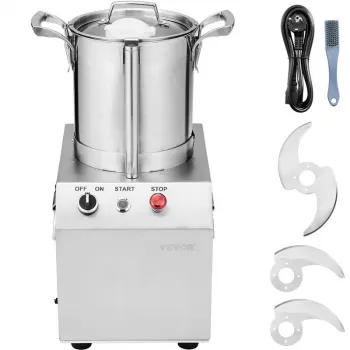
- Stainless Steel Multifunctional Food Processor & Vegetable Chopper ($384.51): a sturdy, multi-task prep tool for slicing, dicing, shredding, and quick aromatics.
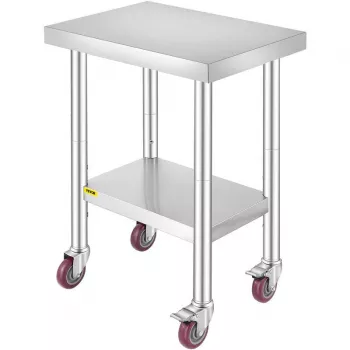
- Stainless Steel Kitchen Work Table with Wheels ($82.17): a mobile prep surface that supports a cleaner workflow when chopping in batches.
When a Multifunctional Chopper Might Not Be the Best Tool
FAQ
Can stainless steel food processors and choppers handle onions and garlic without lingering smell?
Stainless steel typically holds onto fewer odors than many plastics when it’s cleaned promptly. Wash parts soon after use with warm, soapy water, and dry completely; also pay close attention to seals, hubs, and crevices where onion or garlic residue can linger.
How can more even dicing and slicing results be achieved?
Start by cutting ingredients into consistent “starter” sizes, process in smaller batches, and avoid overfilling. Use steady pressure instead of forcing, and consider chilling firmer produce (and drying wet vegetables) to reduce slipping and improve cut clarity.
What’s the safest way to clean sharp blades?
Disassemble carefully and handle blades by safe edges or designated grips, not the cutting surfaces. Wash blades separately using a brush or sponge (not fingers near the sharp area), keep blades out of cloudy sink water where they can be hidden, and dry fully before storage.
Recommended for you

Was this article helpful?
Yes
No









Leave a comment