-
Shop
- Advanced Technologies
- AI Skills Mastery 2026 Collection
- Best Sellers
- Bottoms
- Car Accessories
- Dating & Social Skills
- Digital Products
- Digital Resources
- Dresses
- Education & Learning
- Family & Parenting
- Fashion
- Furniture
- Gadgets
- Health & Beauty
- Health & Wellness
- Home & Garden
- Jewelry
- Kids & Babies
- Patio, Lawn & Garden
- Personal Growth
- Pet Care
- Pet Supplies
- Pets
- Shoes
- Sport & Outdoors
- Swimwear
- Tops
- Travel
- Wealth
- Wealth Building
- Budgeting & Saving
- Cryptocurrency Investing
- Debt Management
- Entrepreneurship & Business Growth
- Family Finance & Budgeting
- Financial Independence
- Financial Mindset & Psychology
- Financial Planning
- Frugal Living & Expense Hacks
- Goal Setting
- High-Income Skills
- Leadership
- Networking & Mentorship
- Passive Income Strategies
- Real Estate Investing
- Side Hustles
- Stock Market Investing
- Workout Clothes & Activewear
Eclectic Minimalism Wardrobe: Edit, Capsule, Formulas
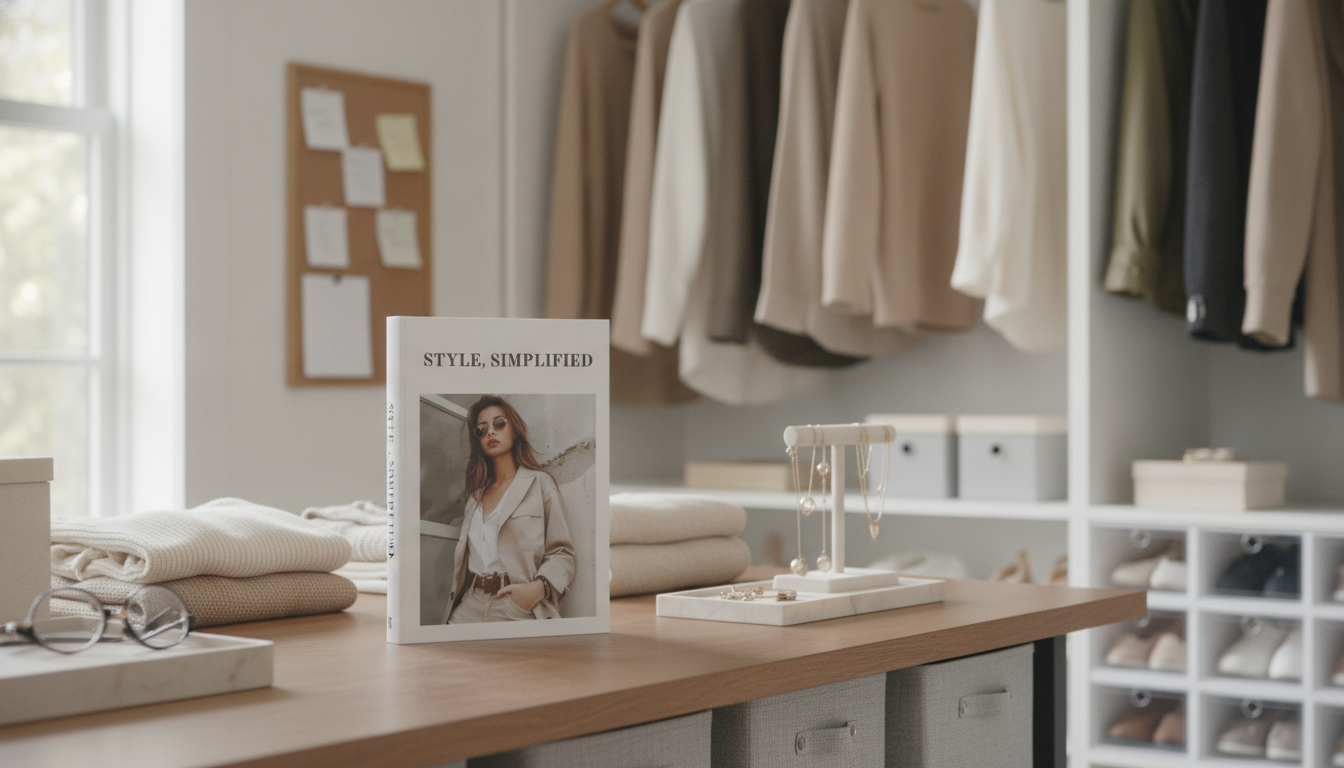
Style, Simplified: An Eclectic Minimalism Wardrobe Blueprint for Closet Editing, Capsules, and Outfit Formulas
A wardrobe can feel both crowded and “nothing to wear” at the same time when pieces don’t coordinate, fit current life, or reflect personal taste. Eclectic minimalism solves this by keeping the closet streamlined while leaving room for standout details—color, texture, print, and personality. The goal is fewer, better choices that still feel expressive, supported by a clear edit process, a capsule structure that actually gets worn, and repeatable outfit formulas that remove daily friction.
What “eclectic minimalism” looks like in a wardrobe
Eclectic minimalism isn’t a strict uniform. It’s a curated system: a dependable base that makes room for a few memorable pieces. Instead of shopping for constant novelty, the closet is built to produce easy outfits—then elevated with one intentional twist.
- A tight foundation of versatile essentials (silhouettes and colors that mix easily).
- A small, intentional set of statement pieces that add character without breaking coordination.
- Preference for quality, fit, and repeat wear over “just-in-case” buys.
- Outfits built from simple shapes, elevated by one interesting element (pattern, accessory, texture, or color pop).
- A closet arranged to make decision-making quick: clear categories, visible favorites, and reduced duplicates.
This approach also supports more mindful consumption. The EPA notes textiles are a significant part of municipal solid waste, making repeat-wear and better use of what you own a practical win as well as a style choice (EPA textiles data).
Closet editing blueprint: a calm, repeatable process
A closet edit works best when it’s predictable and low-drama. The goal is to reduce “decision fatigue” by using consistent criteria instead of re-litigating every item from scratch (the American Psychological Association describes how decision fatigue can erode good choices over time).
- Start with a quick reset: laundry done, donation bags ready, good lighting, and a full-length mirror.
- Edit by category (tops, bottoms, layers, dresses, shoes) rather than by “everything at once.”
- Use a simple keep/maybe/release system—“maybe” items get a short trial window instead of living in limbo.
- Check fit and comfort first; if it pinches, rides up, or requires constant adjusting, it won’t earn repeat wear.
- Remove duplicates by function (three similar black tees) and keep the best version based on fabric, fit, and condition.
- Create a small “repair” pile with a deadline; if it isn’t fixed by the date, it exits.
Quick closet decision checklist
| Question | Keep if… | Release if… |
|---|---|---|
| Does it fit comfortably today? | Moves easily and feels good all day | Requires tugging, layering tricks, or “someday” sizing |
| Does it work with at least 3 items you already wear? | Pairs naturally with existing favorites | Only works with one specific piece or occasion |
| Is it in good condition? | No stains, strong seams, fabric looks fresh | Pilling, stretching, damage, or persistent stain |
| Does it match current lifestyle? | Fits work, errands, social plans, climate | Belongs to a past role or rare scenario |
| Would you buy it again right now? | Yes without hesitation | No, it was a compromise |
Build a capsule that still feels like you
A capsule becomes wearable when it reflects real life, not an imaginary calendar. Eclectic minimalism keeps the base simple, then repeats a few “signature” elements so outfits look intentional rather than random.
- Choose a base palette (2–3 neutrals) plus 2–4 accent colors that repeat across tops, layers, and accessories.
- Define your core silhouette recipe: preferred rise, hem lengths, and layering shapes (e.g., straight-leg + fitted tee + cropped jacket).
- Aim for “enough, not extra”: a capsule is successful when pieces rotate frequently, not when it hits a specific item count.
- Plan for real life: include the shoes and outer layers that make outfits wearable in your climate and schedule.
- Add eclectic energy through a controlled dose: one bold print family, one signature accessory style, or one standout texture.
To keep your “eclectic” pieces from turning into closet orphans, give them a support system: a repeatable neutral base and one small echo (a color match in a belt, bag, or shoe). For a deeper push toward mindful style choices, Fashion Revolution’s overview of why the fashion system needs to change is a helpful perspective (Fashion Revolution).
Outfit formulas that make getting dressed automatic
Eclectic-minimal outfit formula menu
| Formula | Why it works | Eclectic twist ideas |
|---|---|---|
| Clean base + standout layer | Simple core outfit gets instant structure | Patterned jacket, textured cardigan, bold blazer |
| Monochrome set + interesting shoe | Streamlined look with one focal point | Metallic sneaker, sculptural heel, colored loafer |
| Straight-leg bottom + fitted top + statement accessory | Balanced proportions, easy repeat | Silk scarf, chunky necklace, bold earrings |
| Dress + grounded outer layer | One-piece ease with polish | Utility jacket, cropped denim jacket, tailored coat |
| Wide-leg bottom + tucked tee + belt | Defines shape while staying relaxed | Printed belt, artistic buckle, contrasting belt color |
A simple maintenance rhythm that prevents closet creep
Digital checklist support for faster decisions
- Style, Simplified | Eclectic Minimalism Wardrobe Blueprint Checklist | Digital Download for Closet Editing, Capsule Building & Outfit Formulas
- Dream Spaces with AI | Digital Guide for Home Design Inspiration, Prompts, and Visualization
FAQ
How many pieces should an eclectic minimalism capsule have?
Skip a strict number and start with a small, wearable core: daily tops, 2–3 bottoms, 2 layering pieces, and 2–3 shoes you truly reach for. Expand only when a real, repeated gap shows up in your weekly outfits.
What if statement pieces don’t match anything else?
Anchor them to a consistent base palette, then repeat one color from the statement somewhere else (shoe, belt, or bag). Use the one-statement rule and pair the piece with your most-worn basics first to build reliable combos.
How often should a closet be edited?
A light weekly reset plus a monthly mini-edit keeps the closet from getting overwhelming. Add a seasonal review for swaps and shopping rules so clutter doesn’t rebound.
Recommended for you

Was this article helpful?
Yes
No








Leave a comment